


























Dallas DWI Lawyers Focused On Evidence

Legal Disclaimer

DallasTexasDWILawyer.com respects your rights. No Attorney-Client Relationship Created By Use Of This Website

Your use of this website or receipt of information posted on this website, does NOT create an attorney-client relationship between you and . Contacting Dallas Texas DWI Lawyer or one of its attorneys through this site’s online contact forms or any phone numbers listed on this website, also does NOT create an attorney-client relationship with Dallas Texas DWI Lawyer. Accordingly, you should not use this website to provide confidential information regarding legal matters to
Dallas Texas DWI Lawyer.

DWI Defense Services In Dallas

Driving while intoxicated is not one charge. It is a family of offenses graded by history, circumstances, and consequences, each with its own evidence, deadlines, and defense strategy. Our attorneys handle every DWI-related matter that comes through Dallas County courts, from a first arrest to a felony indictment to the license fight that runs alongside the criminal case.

Not sure which of these describes your situation? That is what the evaluation is for.
Schedule your Free Case Evaluation.

A DWI Defense Built On Evidence, Procedure & Preparation

Who We Are & Who We Represent

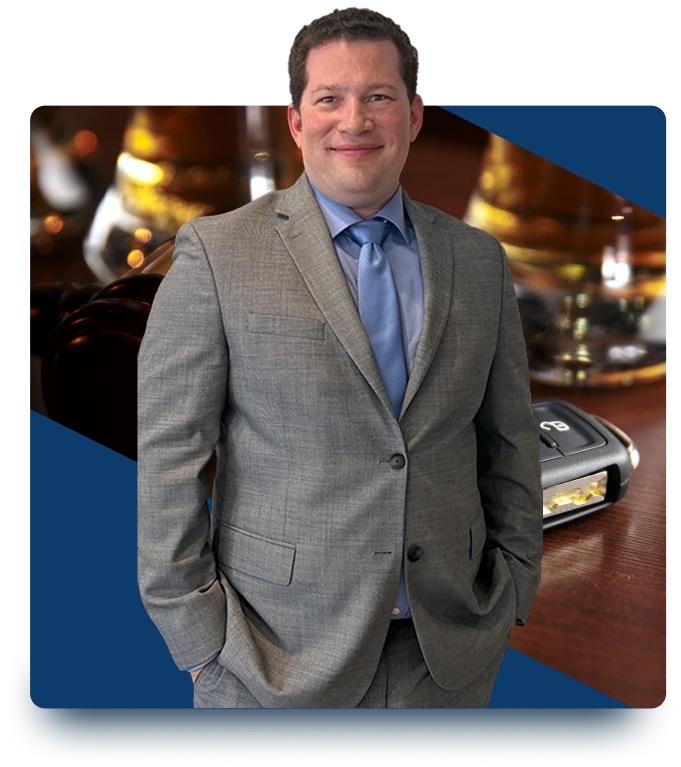
Dallas DWI Lawyers is a Texas criminal defense team with a deliberately narrow focus: defending people accused of driving while intoxicated and the offenses that surround it. The practice is led by Gary L. Medlin, licensed in Texas since 1983 and Board Certified in Criminal Law by the Texas Board of Legal Specialization since 1989. Before devoting his career to the defense, he spent nearly a decade prosecuting cases as an assistant district attorney. A second attorney on our team served six years in a district attorney’s office as well. Combined, our lawyers bring more than 70 years of criminal courtroom experience to every file.

That background shapes everything downstream. Former prosecutors read an offense report differently. They can see which facts the State will lean on, which witnesses will hold up under oath, and where a case is thinner than its paperwork suggests. A Dallas DWI attorney who has built prosecutions from the inside starts dismantling them with a map instead of a flashlight.

What Our Clients Say

Peer Reviews

Protect Your Future With Dallas DWI Lawyers

DWI Defense In Dallas

Dallas is a driving city, and most DWI arrests here begin with something unremarkable. A late dinner in Uptown. A show in Deep Ellum. A drive back to Lake Highlands after a delayed flight into Love Field. Then the lights come on somewhere along US-75 or I-35E, and an ordinary night becomes a criminal case in Dallas County.

Local defense starts with local geography. Enforcement concentrates where nightlife and highways meet: the corridors feeding out of Deep Ellum onto I-30, the Dallas North Tollway ramps that carry traffic home from Uptown toward Preston Hollow and North Dallas, the Cedar Springs strip in Oak Lawn, and the restaurant blocks of Bishop Arts in north Oak Cliff. Patterns shift with the calendar, too. The weeks around the State Fair bring saturated patrols near Fair Park, and holiday weekends often mean no-refusal initiatives, with judges on standby to sign blood warrants around the clock. An attorney who defends cases in this city recognizes those patterns in an offense report immediately.

Where Your Case Will Be Heard

Nearly every DWI arrest in the county, regardless of which agency made it, is prosecuted by the Dallas County District Attorney’s Office and heard at the Frank Crowley Courts Building just west of downtown Dallas. Misdemeanor cases go to the county criminal courts. Felony DWIs, intoxication assault, and intoxication manslaughter cases are assigned to the felony district courts. Each court manages its docket in its own way, from how settings are scheduled to how discovery disputes get resolved to what a judge expects before hearing a motion. Attorneys who appear in these courts week after week learn those rhythms, and clients feel the difference in shorter timelines and fewer surprises.

The people across the aisle matter as well. Prosecutorial filing practices, reduction policies, and diversion criteria in Dallas County evolve with each administration, and they differ meaningfully from neighboring counties. A defense calibrated to how Dallas actually charges and resolves cases today will outperform one built from a statewide template every time.

The Agencies Behind Dallas Arrests

Arrests come from more directions than most people expect. Dallas Police Department units work the entertainment districts. Texas DPS troopers patrol I-35E, I-30, and the tollway system. Dallas County sheriff’s deputies and dozens of suburban departments across the northern half of the county make arrests that all funnel into the same courthouse. Travelers face their own exposure near Love Field and DFW Airport, where an arrest can complicate employment, security clearances, and immigration status in ways a standard case does not. Every agency has its own report formats, video systems, and testing practices, and familiarity with those habits helps a defense team find the inconsistencies faster.

Fifteen Days, Then Forty

The Administrative License Revocation deadline applies with full force in Dallas. Request a hearing within 15 days of your arrest and the suspension is put on hold until an administrative law judge rules; let the deadline pass and your license is suspended automatically on day 40. These hearings are conducted through the State Office of Administrative Hearings, with the Department of Public Safety on the other side. Handled well, an ALR hearing does double duty. It contests the suspension, and it puts the arresting officer under oath early, creating a sworn record the defense can use for the remainder of the criminal case.

Local Knowledge Is Not A Slogan Here

A lawyer defending a Dallas DWI from a distance misses what a Dallas lawyer reads at a glance: which stretch of I-30 the stop occurred on and what the video from that corridor typically shows, which facility analyzed the blood, which court will receive the filing, and how quickly that court moves. From White Rock Lake to Bishop Arts, from Preston Hollow to Deep Ellum, people from every corner of this city end up facing the same charge in the same building. The ones who fare best share one habit: they put a defense in motion early.

If you were arrested anywhere in Dallas County, the clock is already running. Schedule your Free Case Evaluation.

Board Certification in Criminal Law: What It Means for Your DWI Case

Texas created the first attorney board certification program in the country in 1974 through the Texas Board of Legal Specialization, and its standards remain demanding. To become Board Certified in Criminal Law, an attorney must practice for years with substantial, documented involvement in criminal matters, complete specialized continuing legal education, pass confidential evaluations by judges and fellow lawyers who have seen the attorney’s work firsthand, and pass a rigorous daylong examination in the specialty. The credential is not permanent. It must be renewed every five years through continued education and continued substantial work in the field.

Most Texas lawyers never pursue it. Roughly one in ten licensed attorneys in the state holds board certification in any specialty, and the number certified specifically in criminal law is smaller still. The certification exists precisely because the words “experienced criminal lawyer” appear on thousands of websites, and clients have no independent way to verify them. Board certification is the State Bar’s answer: a claim of specialized competence that has actually been examined, tested, and confirmed.

For a person facing a DWI charge, the certification matters in practical terms. DWI is a technical corner of criminal law where cases are won and lost on suppression motions, instrument records, laboratory science, and judgment calls about when to negotiate and when to try the case. An attorney whose depth in this field has been verified by the state’s certifying body, and re-verified every five years for more than three decades, brings that depth to each of those decisions.

Honesty requires saying the rest plainly. Certification does not decide cases, and no credential guarantees an outcome. Preparation, evidence, and law decide cases. What board certification offers is confidence that the person making the strategic decisions in your case has met a standard most lawyers never attempt, judged by the peers and judges best positioned to know.

Why Choose Our Team

Choosing a lawyer after a DWI arrest usually happens under pressure, with little time and less clarity. These are the facts about our team that matter most to that decision. Each one is verifiable, and none of it is puffery.

Board Certified Leadership Since 1989

Our lead attorney has held Board Certification in Criminal Law from the Texas Board of Legal Specialization for more than three decades, a credential earned through examination and peer review and renewed continuously since 1989.

Prosecutors Turned Defenders

Two of our attorneys began their careers in district attorneys’ offices, one serving nearly a decade and another serving six years. They have written the charging decisions, prepared the officers, and tried the cases from the State’s table. That perspective now works for the defense.

More Than 70 Years Of Combined Courtroom Experience

Our attorneys have spent their careers in Texas criminal courts, handling thousands of matters across every level of offense. That accumulated judgment shows up in the small decisions that shape big outcomes: which motion to file, which question to ask, which offer to refuse.

Criminal Defense Is All We Do

The firm practices no other kind of law. No family cases, no civil litigation, no side practices. A team focused entirely on criminal defense stays current on the statutes, the science, and the case law that decide DWI cases, because nothing else competes for its attention.

Every Case Prepared As If It Will Be Tried

Prosecutors evaluate a case partly by the lawyer standing across from them. Files built for trial from the first day produce better negotiated outcomes and stronger verdicts when negotiation is not enough. Preparation is the strategy; everything else follows from it.

A Full Team On Every File

Clients hire the firm, not a single overloaded calendar. Attorneys collaborate on strategy, paralegals and legal assistants keep evidence and deadlines organized, and someone who actually works on your case can answer your questions when you call.

National Involvement In DWI Defense

Our lead attorney is a founding member of the DUI Defense Lawyers Association and a member of the National College for DUI Defense, with published work and continuing legal education presentations on DWI defense topics. Teaching this material requires mastering it, and that mastery flows directly into client cases.

Reachable When It Matters

Arrests do not happen during business hours. Our phones are answered live 24 hours a day, seven days a week, and our team serves clients in English, Spanish, Russian, and Ukrainian.

The Sooner We See Your Case, The More We Can Do With It

Evidence is freshest, deadlines are furthest away, and options are widest right now. Bring us the facts and get a straight assessment of where your case stands, what it will take to fight it, and what deadlines are already moving. Schedule your Free Case Evaluation today.

WE ALSO SPEAK THE FOLLOWING LANGUAGES

Dallas DWI Lawyers Speaks Spanish

Spanish

Dallas DWI Lawyers Speaks Russian

Russian

Dallas DWI Lawyers Speaks Ukrainian

Ukrainian

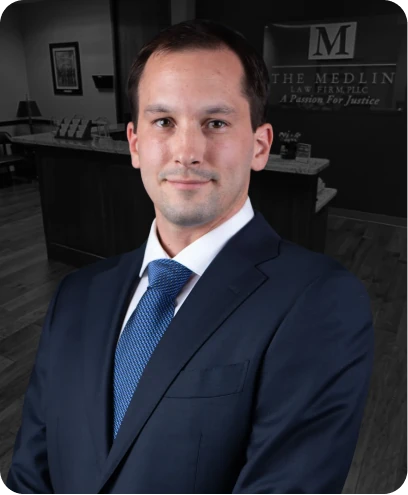
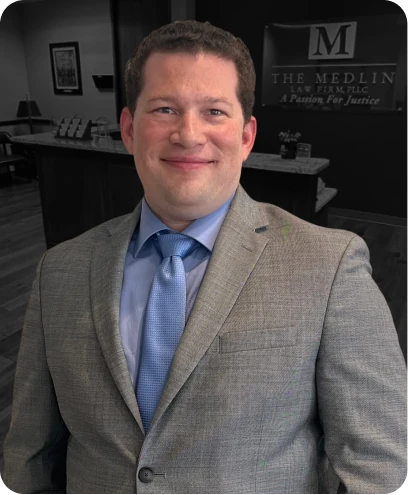
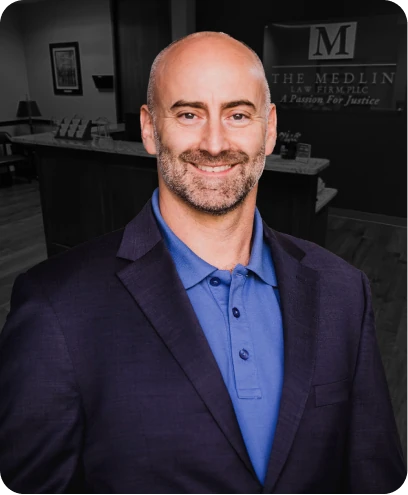
Meet Our Dallas DWI Defense Team

What To Do If Charged With DWI In Dallas, Texas

Charged With A DWI/DUI?

What To Do If You Are Charged With A DWI Or DUI In Texas

Contact Dallas DWI Lawyers